

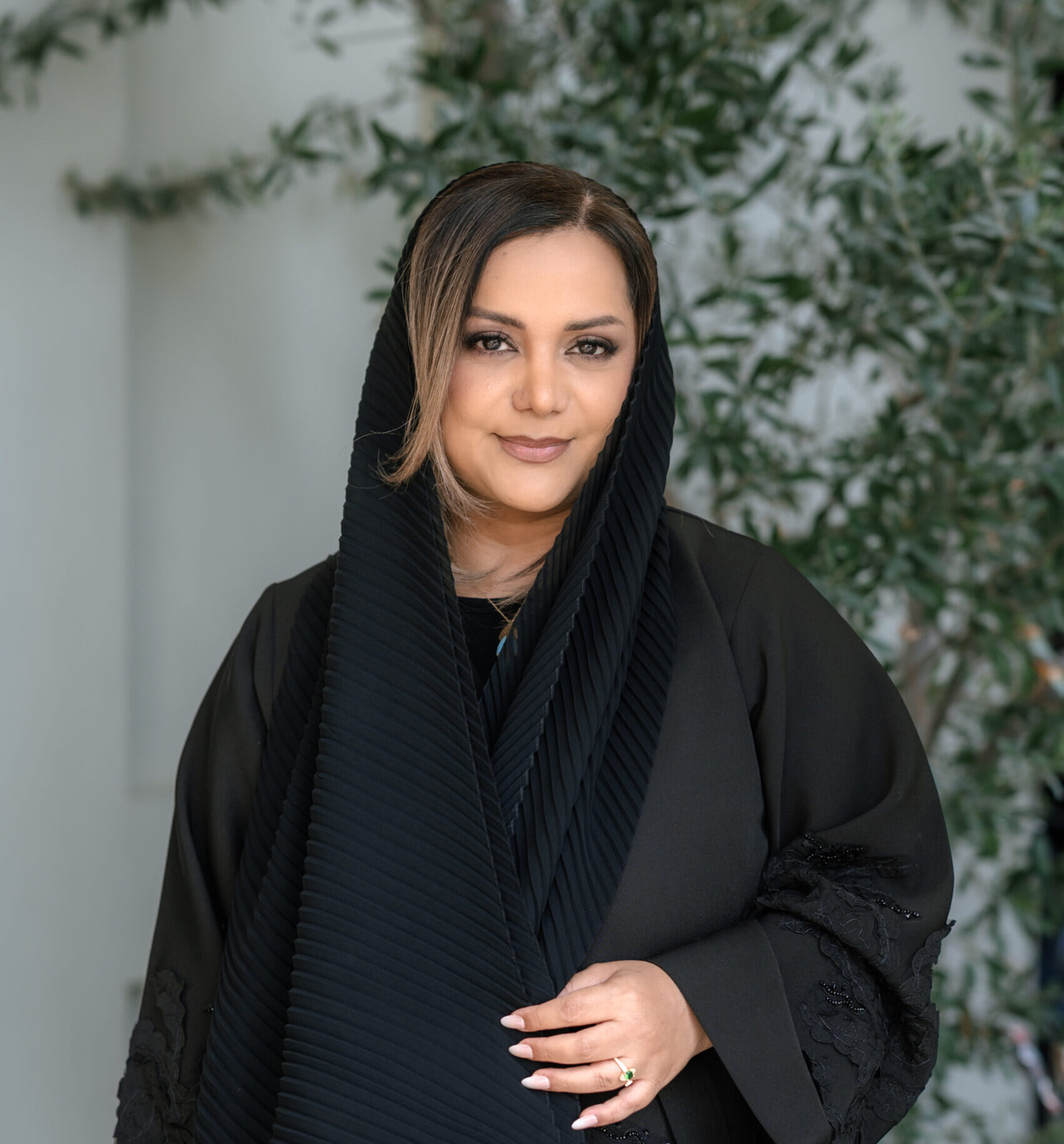
To the outside world, Dubai is often portrayed through extremes, luxury, speed, architecture and spectacle. But filmmaker Nayla Al Khaja sees a different side of the city entirely.
For Al Khaja, Dubai is a place of emotional contrasts. Beneath its polished exterior lies tension, transition and constantly shifting identity, themes that quietly shape much of her work as a director.
“Dubai influences my work through contrast,” she says. “It’s a city where modernity and tradition coexist, often within the same frame.”
That duality has become one of the defining influences behind her cinematic perspective. While many filmmakers focus on Dubai’s iconic skyline, Al Khaja is more interested in the emotional atmosphere hidden between those spaces.
If she were to set a film entirely within the city, she says she would avoid the obvious locations.
“I would focus on spaces that reveal character,” she explains.
For her, places like the older Al Fahidi district carry a sense of stillness and memory that reflects a quieter side of Dubai rarely shown on screen. Industrial outskirts offer something entirely different, rawness, abstraction and visual tension.
Then there is the desert, which Al Khaja describes as one of the city’s most emotionally powerful environments.
“The desert introduces silence and scale,” she says. “I find that very powerful.”
But perhaps most importantly, she believes the emotional core of a city often exists indoors, away from spectacle and public performance.
“The interiors, homes, corridors, private spaces, are where most of the emotional narrative actually unfolds,” she says.
This focus on atmosphere over glamour is central to Al Khaja’s filmmaking approach. Her films are less concerned with explaining emotions and more focused on making audiences feel them.
“I’m interested in creating a feeling rather than explaining everything,” she says.
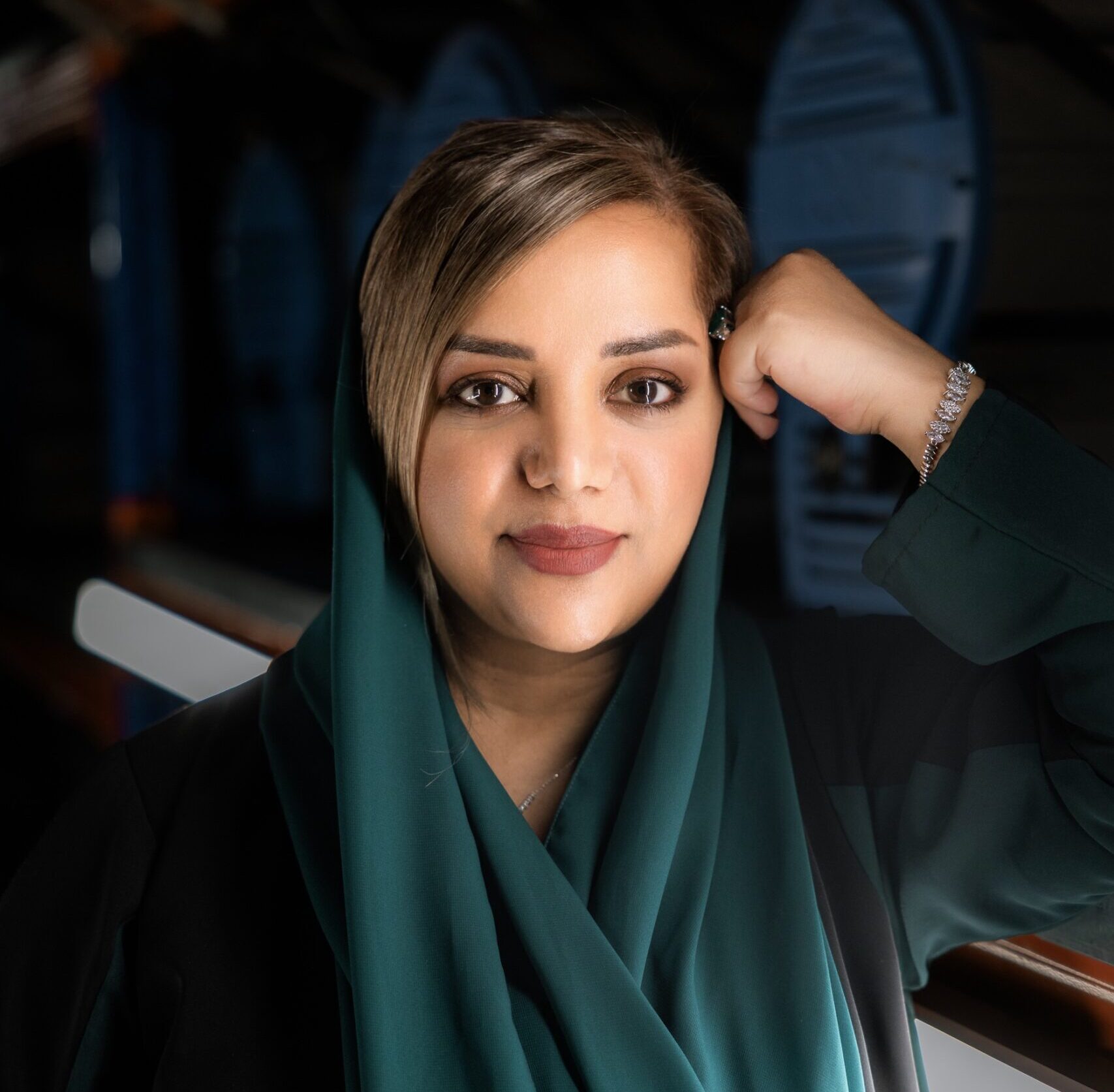
As one of the UAE’s pioneering filmmakers, Al Khaja has also witnessed Dubai’s transformation into an increasingly attractive destination for international productions. According to her, the city offers filmmakers a rare balance of efficiency and creative possibility.
“Within a short distance, you can move between completely different environments, urban, desert, coastal, historical,” she explains.
Combined with growing production infrastructure and experienced crews, Dubai has become far more than just a visually striking location.
“There’s a distinct rhythm and energy to the city that translates well on screen,” she says.
At the same time, Al Khaja believes Dubai’s still-evolving creative landscape has given filmmakers room to experiment and develop their own voices without being confined by rigid industry expectations.
“That freedom has been important for me,” she says. “It allowed me to shape a voice that feels personal rather than formula-driven.”
Through her lens, Dubai becomes more than a destination associated with luxury and ambition. It becomes a layered emotional landscape, one filled with silence, contradiction, intimacy and transformation.
And perhaps that is what makes Al Khaja’s perspective so compelling: she captures not just how Dubai looks, but how it feels.