
The future of the Appropriation Bill remains uncertain as the Standing Committee on Appropriations grapples with legal guidance on the correct voting procedures required to pass the legislation.
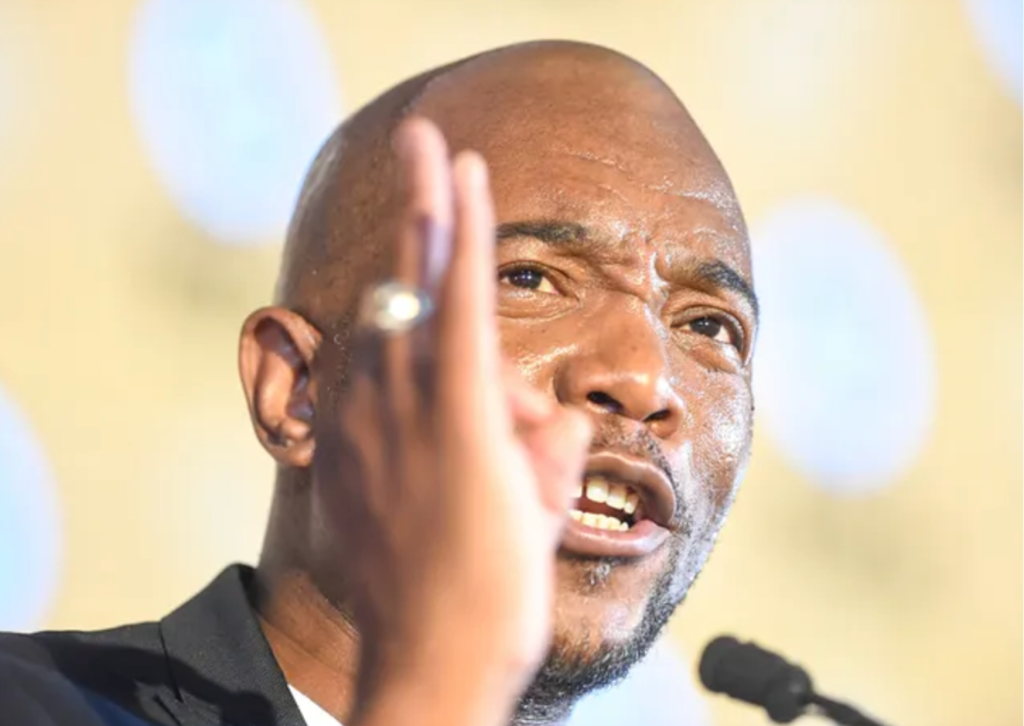
This emerged during a briefing by committee chairperson Mmusi Maimane, who addressed members of Parliament following the conclusion of public hearings on the 2025 Eskom Debt Amendment Bill. Maimane informed MPs of a legal opinion he had sought from Parliamentary Legal Services, aimed at clarifying how votes should be scheduled and processed in the context of the Appropriation Bill.
“Our responsibility as a committee isn’t to get entangled in the political dynamics of the Government of National Unity,” said Maimane. “I simply requested a legal opinion to understand the implications when certain votes pass and others don’t, as this relates directly to the consultation process on the Appropriation Bill.”
According to guidance from the National Assembly Table, the Appropriation Bill must be adopted in its entirety to be passed. If it fails to gain full approval, it must be sent back to the committee for further processing in accordance with the Money Bills and Related Matters Act.
“I felt it was important to inform members of this requirement as we prepare for the next steps,” Maimane added.
Parliamentary Rule 328 outlines the formal process for passing the Appropriation Bill. It states that the Assembly must first decide on the individual votes contained in the Bill’s schedule, particularly when debating supplementary allocations, before voting on the overall schedule.
Maimane emphasised his commitment to ensuring the passage of the Bill so that it can proceed to the National Council of Provinces for concurrence. He confirmed he would circulate the full legal opinion once finalised, in response to DA MP Kingsley Hope Wakelin, who queried whether such legal advice had been obtained.
“I have sought legal advice, and once it is formally documented, I will share it,” said Maimane, who also committed to notifying MPs about upcoming committee activities related to the Bill’s processing.
These developments come amid growing tensions within the Government of National Unity. The Democratic Alliance, the second-largest party in the coalition, has begun voting against departmental budgets associated with what it describes as “compromised” ministers.
The move follows President Cyril Ramaphosa’s dismissal of former Deputy Minister Andrew Whitfield, who travelled to the United States without authorisation. The DA has pointed to this as a precedent for accountability and is now targeting ministers facing corruption allegations.
DA leader John Steenhuisen announced over the weekend that the party would oppose budget votes for departments led by Human Settlements Minister Thembi Simelane, Higher Education Minister Nobuhle Nkabane, and other ANC ministers accused of unethical conduct.
“In this way, the DA will strike a balance, allowing the broader GNU Budget to move forward while pressuring the ANC to remove unfit ministers,” said Steenhuisen. “If they want our support, they must replace these individuals with candidates who meet the same standard the President applied when firing Whitfield.”
The DA has already voted against the budgets for both Human Settlements in the National Assembly and Higher Education in the National Council of Provinces. The latter’s budget is scheduled for debate in the National Assembly on Thursday afternoon.